


Functional Cup Design for Beverage Brands, Events, and Food Preparation
(Contains: custom cup coffee, party cups disposable, measuring cups plastic, plastic lemonade cups)
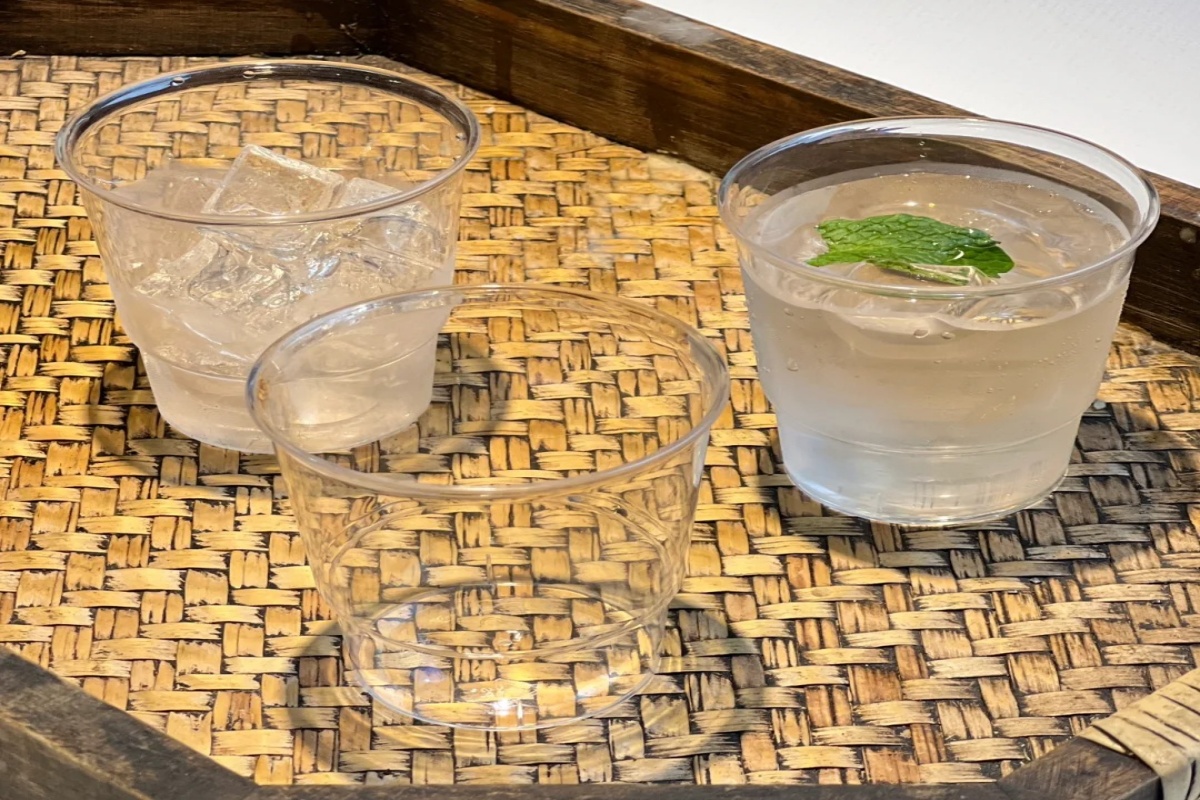
In beverage service and event operations, cups are not interchangeable. Each usage scenario requires a different structural design, material choice, and capacity profile. A coffee brand cup must support branding and heat resistance. A party cup must be lightweight and stable. A measuring cup must deliver accuracy. A lemonade cup must maintain clarity and resist acidity. Understanding these differences helps buyers avoid mismatched purchases that cause complaints, waste, and inefficiency.
Custom Cup Coffee for Brand Identity and Durability
A custom cup coffee solution is typically used by cafés, franchises, and specialty beverage brands.
These cups are designed not only to hold liquid but also to represent brand identity. Customization usually includes logo printing, specific color tones, matte or glossy finishes, and sometimes unique shapes. Material choice matters. PP is widely used because it resists heat up to 100°C and does not warp easily. PET is sometimes used for iced coffee but not recommended for hot drinks. For reusable custom cups, Tritan is often selected due to its clarity and scratch resistance.
Common capacities include 8oz, 12oz, and 16oz. Wall thickness for reusable coffee cups is usually between 0.45 mm and 0.7 mm. Thicker walls improve insulation and durability but increase cost. A good balance is around 0.55 mm. Another important factor is lid compatibility. Many brands overlook this and later face leakage issues. Custom cups should either match existing standard lids or be developed with a private mold lid system.
Party Cups Disposable for High-Volume Events
Party cups disposable serve a completely different purpose. They are designed for fast use, easy cleanup, and minimal cost. These cups are often used at festivals, weddings, corporate events, and private gatherings.
Most disposable party cups are made from PP or PET. PP offers flexibility, which reduces cracking when dropped. PET provides better visual clarity for colorful drinks. Typical sizes range from 12oz to 20oz. The most important design features for party cups are: – Rim strength (to prevent collapsing when drinking) – Stackability (to speed up service) – Base stability (to prevent tipping). Very thin cups reduce cost but collapse easily. A good disposable party cup usually has a wall thickness of at least 0.35 mm.
Measuring Cups Plastic for Food Preparation Accuracy
Measuring cups plastic are used in cafés, bakeries, juice bars, and food preparation areas. These cups are not consumer-facing products, but they play a critical role in consistency and waste reduction.
Plastic measuring cups are usually made from PP because it is chemical-resistant, dishwasher-safe, and flexible. Clear plastic is preferred because it allows easy reading of volume markings. Markings can be printed or molded. Molded markings last longer and do not fade. Printed markings are cheaper but may disappear after repeated washing.
Common capacities include 100 ml, 250 ml, 500 ml, and 1000 ml. Smaller sizes are used for syrups, flavor concentrates, and milk. Larger sizes are used for batch mixing. Handle strength is another important factor. Cheap handles break easily. A good measuring cup should withstand repeated pulling and twisting.
Plastic Lemonade Cups for Acidic Cold Beverages
Plastic lemonade cups are designed specifically for cold, acidic beverages. Lemonade has a lower pH than water, which means the cup material must resist chemical interaction while maintaining clarity.
PET is the most common material because it remains clear, does not react with acidic liquids, and maintains rigidity. These cups are usually tall and slim to enhance visual appeal. Standard sizes range from 12oz to 24oz. A taller cup shape makes the drink look more refreshing and allows more ice.
Important design features include: – Crack resistance (ice pressure) – Lid compatibility (straw slots, dome lids) – Base stability (outdoor use) – Grip texture (condensation makes surfaces slippery). Good lemonade cups often include vertical ribs or micro-textures on the sidewall to improve grip and prevent collapse. From a logistics standpoint, lemonade cups must stack efficiently. Poor designs cause sticking, which slows down service. A well-designed taper angle prevents vacuum locking.
Strategic Cup Selection Framework
In conclusion, these four cup types serve completely different functions: – Custom coffee cups focus on branding, heat resistance, and long-term use – Disposable party cups focus on convenience, cost, and fast turnover – Measuring cups focus on accuracy and durability – Lemonade cups focus on visual appeal and cold beverage performance.
A supplier that treats all cups as the same product is not suitable for professional buyers. Each cup must be evaluated based on material, wall thickness, rim structure, stacking performance, and compatibility with lids or accessories. Choosing the right cup improves workflow, reduces waste, and enhances the final customer experience.
The strategic selection of functional cups requires a sophisticated understanding of different usage scenarios and their specific requirements. By matching cup designs to their intended applications—from brand-focused coffee service to high-volume event operations and precise food preparation—businesses can optimize performance, reduce costs, and improve customer satisfaction. The thoughtful integration of purpose-built cup solutions represents a valuable opportunity for beverage brands and foodservice operators to enhance both operational efficiency and user experience.
| Cup Type | Primary Materials | Key Design Features | Typical Capacities | Main Applications |
|---|---|---|---|---|
| Custom Cup Coffee | PP, Tritan | Brand printing, heat resistance, lid compatibility, 0.45–0.7 mm walls | 8oz, 12oz, 16oz | Cafés, franchises, specialty coffee brands |
| Party Cups Disposable | PP, PET | Rim strength, stackability, base stability, 0.35+ mm walls | 12oz, 16oz, 20oz | Festivals, weddings, corporate events, parties |
| Measuring Cups Plastic | PP | Volume markings, chemical resistance, durable handles | 100 ml, 250 ml, 500 ml, 1000 ml | Café kitchens, bakeries, juice bars, food prep |
| Plastic Lemonade Cups | PET | Acid resistance, clarity, crack resistance, grip texture | 12oz, 16oz, 20oz, 24oz | Lemonade stands, cold beverage service, outdoor events |
As the beverage and foodservice industries continue to evolve, the strategic selection of functional cups will play an increasingly important role in operational success. By understanding the distinct requirements of different cup applications—from brand representation and event service to food preparation and specialty beverage presentation—businesses can make informed decisions that enhance efficiency, reduce waste, and create superior customer experiences. The integration of purpose-designed cup solutions represents both a practical necessity and a strategic advantage in competitive foodservice markets.